Written at a village table in the Yanbaru hills The Okinawan Way · First Edition
The Okinawan Way Get the Book · $37
Kiyo Higa · First Edition
From Kiyo’s Okinawa Kitchen

People come to my island looking for the reason. I have only ever had the food.

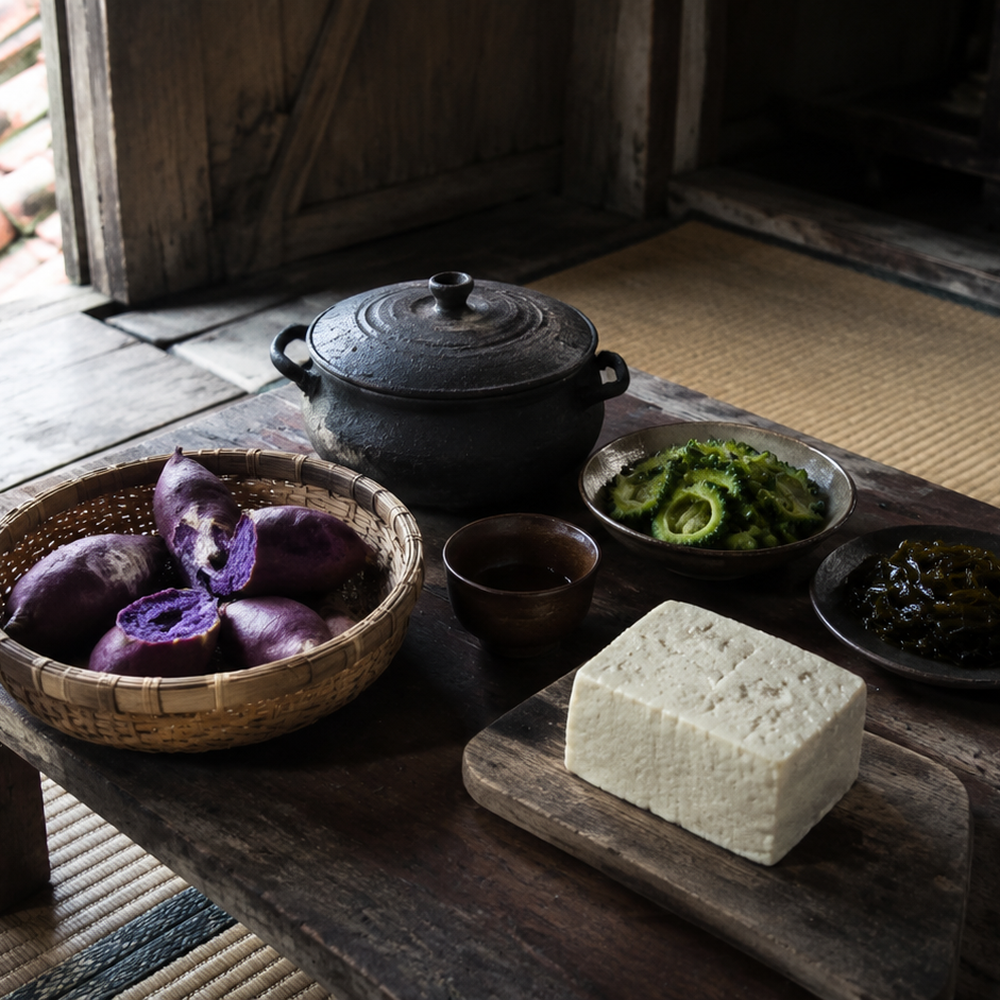
I am Kiyo Higa. I was born in a village in the Yanbaru hills of northern Okinawa and I have never lived anywhere else. I cannot tell you that any of this will add a day to your life. What I can tell you is what was actually in the pot: one hundred and eighty entries on the sweet potato years, the garden, the shore, the household and the village, and what you might do with each one in your own kitchen.

“We were not hungry. We only ate the same thing, and we ate it well.”

No page in this book claims to add a single day to your life.

$37 · PDF and EPUB · read on any device · 7-day refund

The Okinawan Way
— Food, Family, and the Everyday Rhythm of a Yanbaru Village
The Okinawan Way, cover photograph
Kiyo’s Okinawa Kitchen
PDF + EPUB Any device · print at home
200 pages · 180 entries · 12 chapters
01 · What this book is not

Everyone who has heard of my island expects the same four things. This book gives none of them.

Below is exactly what people usually come looking for, and what they get instead. I would rather lose the sale than promise you the column on the left.

The note in the margin is which chapters you get instead, and how many entries are in them. Nothing on this page is a promise about your health, your weight or how long you will live. I am not able to make that promise, and I am not going to pretend otherwise.

$37. Once. The pot on my stove has not changed in sixty years.

Get the Book

$37 once · emailed instantly · PDF and EPUB

What you get
instead ↓
What people usually come looking for
— and what this book gives instead —
A food or two that add years to your lifeThe claim behind most books like thisNo such food existsThe real meals an Okinawan village family actually lived onChapters 1–4 · 60 entries
A strict diet or eating plan to followUsually sold alongside the claimNo plan was ever followedA whole year of growing and gathering it yourselfChapters 5–6 · 30 entries
One secret ingredient nobody else knowsThe usual hookThere was never just oneFamily, village and the daily rhythm, in fullChapters 7–9 · 45 entries
A doctor explaining the scienceHow these claims get their authorityKiyo is not a doctorHer own belief, always named plainly as beliefEvery chapter, marked as opinion
The words “Blue Zone” on the coverA trademark, not a factSomeone else’s brand nameThe real place, and what actually happened thereChapters 10–12 · 45 entries

Twelve chapters, and not one of them makes the promise on the left.

This book makes no claim about your health, your weight or how long you will live. It describes one household’s way of life in one place. What you take from it is yours to decide.

02 · What’s inside

12 chapters, 180 entries, 200 pages.

Every entry is one page. The old way, in her own words. Then how you might bring a little of it into your own home today. Then one line worth remembering, and a photograph, because a description of an old pantry is worth far less than a picture of one.

You do not need to read it start to finish. Most people open it wherever their own life needs it that week.

01

The Everyday Table and the Imo

15 entries
  1. Imo, the Root That Carried Us
  2. The Morning Basket
  3. Kandaba, the Leaves We Also Ate
  4. Nmukuji, the Starch From the Bottom of the Bucket
  5. Jushi, the Rice We Made Go Further
  6. The Miso Soup That Was the Whole Meal
  7. Chikina, Salted Greens Fried in the Pan
  8. Hirayachi, the Rainy Day Pancake
  9. Okinawa Soba, Which Is Not Japanese Soba
  10. Suumashi, the Clear Broth
  11. Barley and Millet, From Before the Imo
  12. The Cold Imo Taken to the Field
  13. Rice, the Thing We Almost Never Had
  14. The Week After a Typhoon
  15. The Extra Bowl by the Door
02

A Block of Tofu and What a House Did With It

15 entries
  1. Shima-Dofu, Our Own Tofu
  2. Yushi-Dofu, Before It Sets
  3. The Grinding Stone and the Morning Work
  4. Okara, the Pulp Nobody Threw Away
  5. Champuru, the Word for Mixing
  6. Goya Champuru, the One Everybody Knows
  7. Fu Champuru, When the Tofu Ran Out
  8. Somin Champuru, the Noodle Version
  9. Tofu Fried and Salted to Keep
  10. Tofuyo, the Cube That Waited Six Months
  11. Jimami-Dofu, Made From Peanuts
  12. The Soybean Row in the Garden
  13. Miso, Made in the House
  14. Andansu, the Oil Miso in the Jar
  15. The Tofu Woman Who Came Down the Lane
03

One Pig, and the Year It Fed

15 entries
  1. The Pig in the Corner of the Yard
  2. What the Pig Was Fed
  3. Killing Day, Before the New Year
  4. Everything But the Squeal
  5. Rafute, the Belly Cooked Slow
  6. Ashitibichi, the Trotters and the Kombu
  7. Nakami-Jiru, and the Washing That Took All Day
  8. Mimiga, the Ear
  9. Chiragaa, the Face
  10. Soki, the Ribs on the Soba
  11. The Lard Jar
  12. The Broth Under Everything
  13. Sharing It Around the Lane
  14. Fish From the Reef, the Other Meat
  15. Sukugarasu, the Little Salted Fish
04

Sugar, Tea and the Clay Pot in the Corner

15 entries
  1. Kokuto, the Black Sugar
  2. Sugar Cane Chewed in the Field
  3. Sata Andagi, the Fried Sugar Balls
  4. Muuchii, the Mochi Wrapped in a Getto Leaf
  5. Chinsuko, the Biscuit Made With Lard
  6. Sanpin Cha, the Jasmine Tea in the Big Kettle
  7. Bukubuku-Cha, the Foam on Top
  8. Shikuwasa, the Sour Little Citrus
  9. Kugani, When It Turns Gold
  10. Candied Peel and Nothing Wasted
  11. Awamori and the Black Koji
  12. Kusu, the Pot That Slept
  13. The Cup Passed Around
  14. The Cold Tea Bottle in the Shade
  15. Imo Mashed With Sugar, Which Was Dessert
05

The Garden Bed and the Subtropical Year

15 entries
  1. The Imo Bed, and Why It Beat Everything Above Ground
  2. Slips, Not Seeds
  3. Goya on the Frame Over the Door
  4. Nabera, the Sponge Gourd Eaten Young
  5. Toogan, the Winter Melon That Kept for Months
  6. Green Papaya, Treated as a Vegetable
  7. Handama, the Purple-Backed Leaf
  8. Nigana, the Bitter One
  9. Fuuchiba, the Mugwort by the Wall
  10. Shimana and the Salt Tub
  11. Shima-Rakkyo, the Island Shallot
  12. Ucchin, the Turmeric at the Fence
  13. The Bed That Was Planted Every Month
  14. Growing Where the Typhoon Comes Twice
  15. Seeds Kept in the House
06

What the Shore and the Forest Gave

15 entries
  1. Mozuku, the Slippery Seaweed of Spring
  2. Aasa, the Green Laver on the Rocks
  3. Kombu, the Seaweed That Came by Boat
  4. Kubu-Irichi, the Fried Kombu Dish
  5. Umi-Budo, the Sea Grapes
  6. The Reef at Low Tide
  7. Shells Prised Off the Rocks
  8. Salt Boiled From the Sea
  9. Tanaga, the Prawns in the Yanbaru Streams
  10. Fuuchiba Gathered Wild on the Bank
  11. Bamboo Shoots From the Hill
  12. Getto, the Shell Ginger Leaf
  13. Wild Shikuwasa on the Hillside
  14. The Boar That Came Down to the Fields
  15. What the Forest Was Not For
07

The House, the Family and the Open Door

15 entries
  1. The Fukugi Trees Around the House
  2. The Hinpun, the Wall Just Inside the Gate
  3. Red Tiles and the Shisa on the Roof
  4. The Yard Where Everything Happened
  5. The Tunguwa, and the Fire in It
  6. The Butsudan, and Eating With the Ancestors
  7. Three Generations Under One Roof
  8. The Grandmother’s Job
  9. The Children’s Jobs
  10. The Well and the Water Jar
  11. Rooms With Almost No Walls
  12. The Shutters and the Night It Came
  13. The Bride Who Came to the House
  14. The First Bowl a Child Was Given
  15. The House That Was Handed On
08

The Village and the Word Yuimaaru

15 entries
  1. Yuimaaru, the Word for Doing It Together
  2. Moai, the Circle That Met Every Month
  3. Rebuilding a Roof After the Storm
  4. Planting and Harvest Taken in Turn
  5. The Kaa, the Village Well
  6. The Village Green Under the Tree
  7. The Utaki, the Grove Nobody Cut
  8. The Women Who Kept the Rites
  9. The Funeral and Who Did the Cooking
  10. A Wedding Cooked by the Whole Lane
  11. The Elders and the Meeting
  12. Children Belonged to the Lane
  13. The Sanshin Coming Out After Dark
  14. Kachaashii, the Dance at the End
  15. Nobody Ate Alone
09

The Shape of a Day in a Yanbaru House

15 entries
  1. Up Before the Heat
  2. Tea First, Then Work
  3. The Morning in the Field
  4. Breakfast Was Yesterday’s Pot
  5. Carrying the Water
  6. The Long Midday Rest
  7. The Afternoon in the Shade
  8. The Woman’s Day
  9. The Man’s Day
  10. The Children’s Day
  11. The Rainy Day’s Indoor Work
  12. The Evening Cool in the Yard
  13. The Bath and the Last Fire
  14. Supper, Everybody at Once
  15. Real Dark, and Sleep
10

The Turning Year and Its Days

15 entries
  1. Sougwachi, New Year by the Old Calendar
  2. Jyuurokunichi, the Sixteenth Day
  3. The Week the Cold Has a Name
  4. Hamaori, the Third Day of the Third Month
  5. Shiimii, the Picnic at the Tomb
  6. The Rains, and What Goes Mouldy
  7. Haarii, the Boats in May
  8. Typhoon Season, and the Watching of the Sky
  9. Obon, and the Three Days the Dead Come Home
  10. Eisa, the Drums Through the Lanes
  11. Ungami, the Sea God Festival
  12. Tsunahiki, the Village Rope
  13. The Harvest Dance the Women Kept
  14. Winter, and the Sugar Boiling
  15. Tanka, the First Birthday
11

Work, Craft and What the Hands Knew

15 entries
  1. Bashofu, the Cloth From a Banana Tree
  2. Three Years for One Bolt
  3. Splitting the Fibre by Hand
  4. Ryukyu Indigo and the Fermenting Vat
  5. The Loom in the Rainy Months
  6. Yanbaru Charcoal
  7. The Boats That Carried the Wood South
  8. Arayachi, the Unglazed Water Jar
  9. The Tiler and His Lime
  10. Cutting and Laying the Thatch
  11. The Coral Wall Built Without Mortar
  12. Baskets Out of Split Bamboo
  13. Straw Rope and Straw Sandals
  14. The Sanshin and Its Snakeskin
  15. Mending Before Replacing
12

Growing Old, and the Reason to Get Up

15 entries
  1. No Word For Retirement
  2. Ikigai, the Reason to Rise
  3. The Field Kept Small on Purpose
  4. Toshibii, the Year of Your Own Sign
  5. Kajimayaa, the Ninety-Seventh Birthday
  6. The Grandmother Who Still Ran the Kitchen
  7. Teaching a Child to Weed
  8. Handing Over the Fire God
  9. Walking to Somebody Every Day
  10. Being Needed, Not Only Minded
  11. Sitting Under the Fukugi in the Afternoon
  12. The Conversation With the Ones Who Went First
  13. The Elder Who Remembered Everything
  14. Doing a Little Less of the Heavy
  15. What I Would Tell You Last
03 · The honest part

The deal this book makes with you.

A promise that this food adds years to your lifeNo page in this book claims that, and none ever will. What is here is how the food was made, and why, nothing more.
A doctor, a scientist, or a clinical claimKiyo is not a doctor. Where she believes something works, the book says so plainly, as her own opinion, never as a fact.
The words “Blue Zone” anywhere in this bookThat name belongs to someone else’s brand. This book tells you about the real place and the real household instead.
A diet plan, a meal schedule, or a rule to followThere is no plan here. Only a description of how one household actually ate, in its own words, across a whole year.
Kiyo Higa — Kiyo
Kiyo Higa
Kiyo Higa
04 · Who is telling you this
“I cannot tell you why we lasted. I can tell you what we ate.”

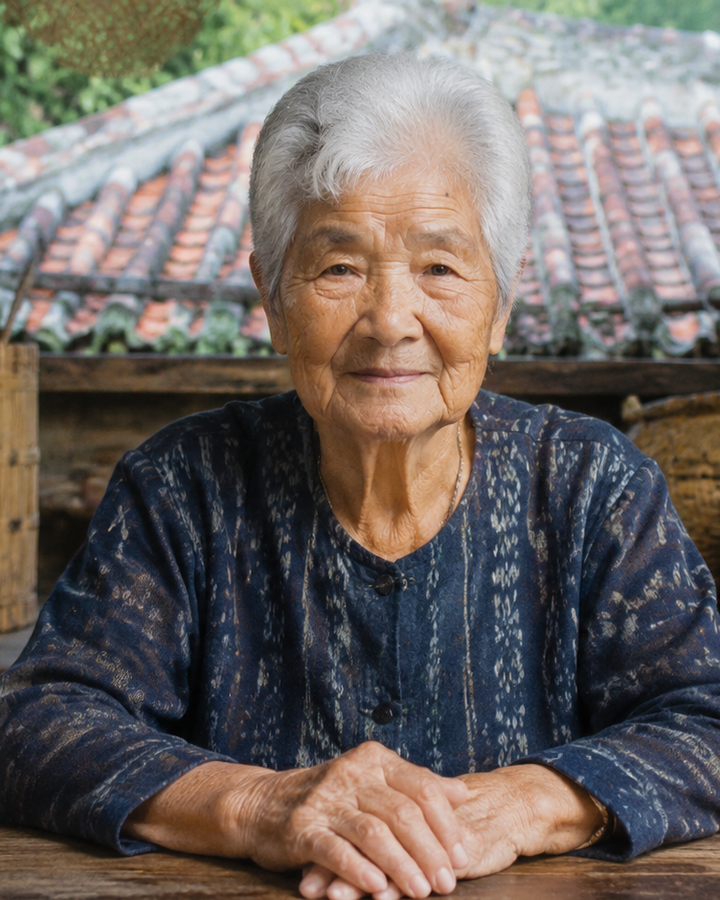
I was born in a village in the Yanbaru hills, in the north of Okinawa. I have not lived anywhere else, and I have never wanted to.

People began arriving some years ago with questions and notebooks. They wanted to know what we ate, and why the old ones here kept working so long. I told them the truth then and I will tell you the same now: I do not know. I only know what we grew, what we cooked, and how little of it we wasted.

So that is this book. Not a plan, not a cure, not a diet. The sweet potato that fed whole generations, the garden bed, the shore at low tide, the block of tofu, the pig at festival time, and the neighbours who never let anyone eat alone.

Read it in any order. Start wherever your own kitchen needs it.

05 · Order the book

Read it for a week. If it is not for you, I do not want your money.

Read it for seven days. If it has not given you something worth keeping, write to me and I will refund every cent, no questions. Pay once and it is yours to keep, on your phone, your tablet, or printed at your own kitchen table.

It is a book to dip into, not to finish in one sitting. 12 chapters, each one a different part of the same life.

$59$37
180Entries
200Pages
7Day refund
Get the Book · $37

7-day refund · emailed instantly · PDF and EPUB · yours forever

Visa · Mastercard · PayPal · Apple Pay  ·  Delivered by email the moment you buy

06 · Questions

Questions people ask

Is this a diet book?

No. It is a description of a way of living, food included. It makes no promise about your own health, your weight or how long you will live.

Is there medical or financial advice in it?

None, deliberately. Kiyo is not a doctor, a nutritionist or a financial adviser. Where she shares her own belief about why something worked, the book marks it plainly as her opinion, never as guidance.

I cannot buy goya, or any island vegetable, where I live.

Most readers cannot, and the book was written knowing that. Every entry that leans on an island vegetable names what an ordinary American shop actually sells that will do the same job, and says plainly where the swap changes the taste.

Is any of this historically accurate?

The food and customs described are real, checked against the historical and cultural record. Kiyo tells it in her own voice, the way a grandmother would tell it at her own table.

Why doesn’t the book use the words “Blue Zone”?

Because that name belongs to someone else’s brand. This book describes the actual place and the actual household instead of borrowing someone else’s label.

What do I get, and is it a subscription?

Two files, emailed the moment you buy: a 200-page PDF for reading or printing at home, and an EPUB for Kindle and e-readers so you can set your own type size. You pay once. Nothing renews.

Can I get it on paper?

Not as a printed book. It is a digital book you can print yourself, which is what keeps it at $37 instead of what a 200-page illustrated hardback would cost.

There was never a secret on this island. Only a garden, a shore, and people who kept each other close.

12 chapters on the food, the garden, the shore, the household, the village and the turning year of a northern Okinawan village. 200 pages, 180 entries, a photograph on nearly every one. $37, once.

Get the Book · $37

7-day refund · emailed instantly · PDF and EPUB

A free chapter

Read one chapter first, free.

Put your email in the box and one complete chapter of the book opens on the very next page. Every page of it, every photograph, exactly as it appears in the book. There is nothing to install and no card to enter.

We keep your address so Kiyo can write to you now and then with something worth reading. One click stops it for good. We never sell it and we never pass it on.

The free chapter, open on a table